
Relocating to a new country opens the door to exciting opportunities, better education, career growth, international business, and cultural enrichment. Yet, one of the most common and challenging hurdles migrants face is the language barrier. Whether someone is moving for work, school, or long-term settlement, the ability to communicate effectively determines how quickly they adapt, integrate, and succeed.
Language barriers affect everything: accessing public services, getting a job, building relationships, and navigating daily tasks. Fortunately, these challenges can be overcome with intentional learning, modern tools, and immersion strategies. This article highlights practical approaches migrants can use to communicate confidently abroad.
1. Start With the Basics Before You Travel
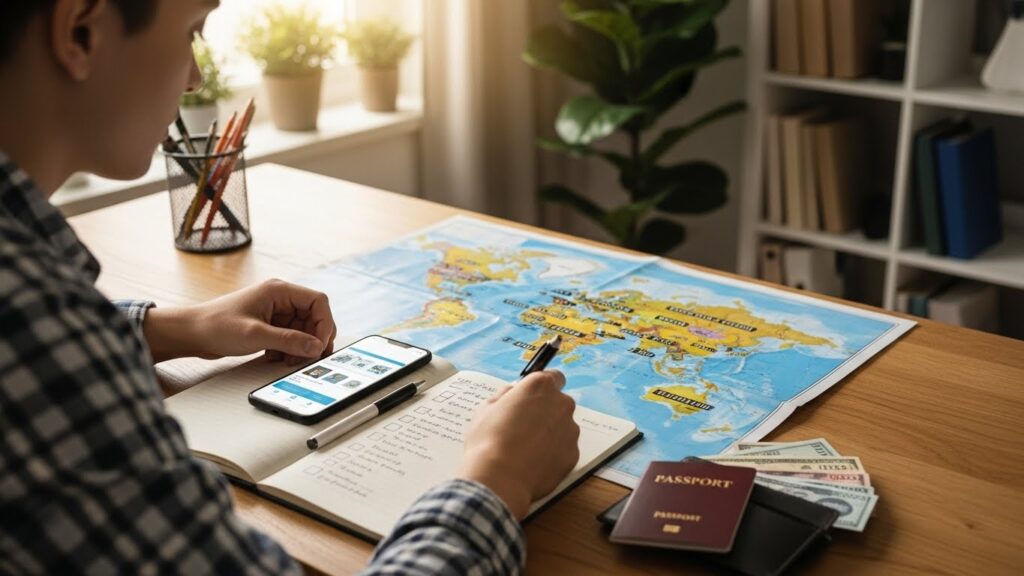
Learning essential conversational phrases early helps migrants adjust faster.
Practical Steps:
- Use free apps like Duolingo, Babbel, and Memrise.
- Learn greetings, numbers, directions, food items, and emergency phrases.
- Watch YouTube content from native speakers for pronunciation support.
2. Embrace Full Immersion Early
Language fluency improves when you surround yourself with the new language.
How to Immerse:
- Change your device and social media settings to the local language.
- Watch local TV shows, news, and movies.
- Visit public places where the language is spoken naturally.
3. Take Advantage of Local Integration Programs
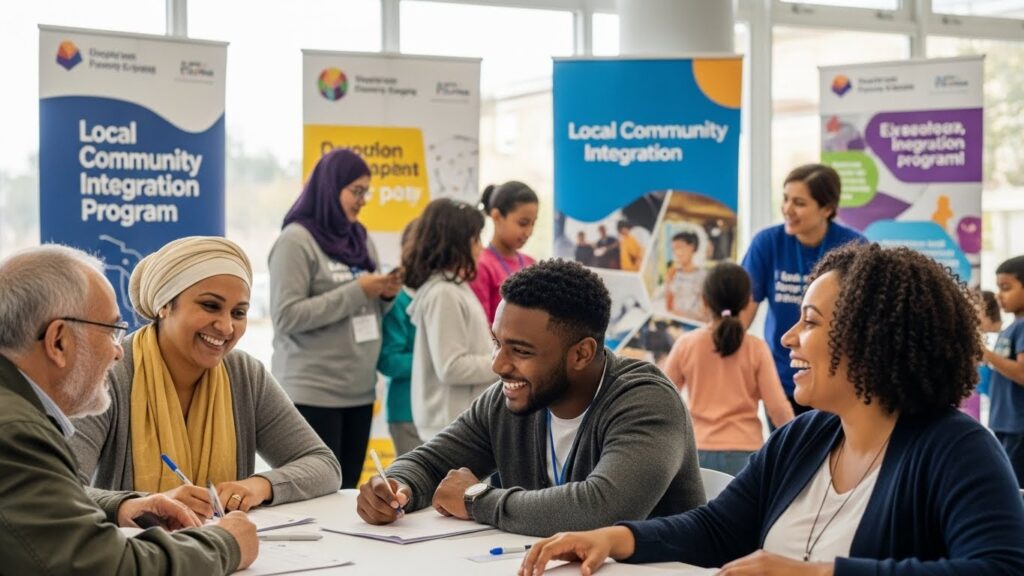
Many countries offer free or subsidized language programs for migrants.
Examples:
- Government-funded language schools
- Community centers with conversation classes
- NGO-led migrant support programs
4. Use Technology Intentionally
Technology can provide immediate communication support.
Helpful Tools:
- Google Translate and DeepL
- Speech-to-Text apps
- Translation devices for business travelers
- WhatsApp voice notes
Use technology as support, not as a replacement for learning.
5. Build a Social Circle With Native Speakers

Interacting with locals accelerates language learning.
Ways to Connect:
- Join faith-based or community groups
- Attend networking or cultural events
- Volunteer in your neighborhood
- Make friends at work or school
6. Be Comfortable Making Mistakes
Mistakes are part of learning. Confidence often matters more than perfect grammar.
Tips:
- Celebrate progress, not perfection.
- Ask people to repeat themselves.
- Practice speaking aloud daily.
7. Understand Cultural Communication Styles
Communication extends beyond words.
Examples:
- Some cultures use direct communication.
- Others prefer polite or indirect communication.
- Gestures, tone, and body language vary widely.
Understanding these differences reduces misunderstandings.
8. Practice Active Listening

Active listening helps you understand even with limited vocabulary.
Techniques:
- Focus on keywords and gestures.
- Avoid interrupting.
- Ask clarifying questions.
- Keep conversations simple.
9. Keep a Personal Vocabulary Notebook
Documenting new words improves retention.
Include:
- New vocabulary
- How each word is used
- Pronunciation notes
- Local expressions
10. Seek Professional Support When Necessary

For legal, medical, academic, or immigration matters, professional interpreters may be needed.
Conclusion
Overcoming language barriers takes time, patience, and consistent effort. With preparation, immersion, technology, social support, and confidence, migrants can adapt successfully. Effective communication opens doors—to better jobs, richer relationships, and deeper cultural integration. With these strategies, every migrant can build the fluency and confidence needed to thrive abroad.