
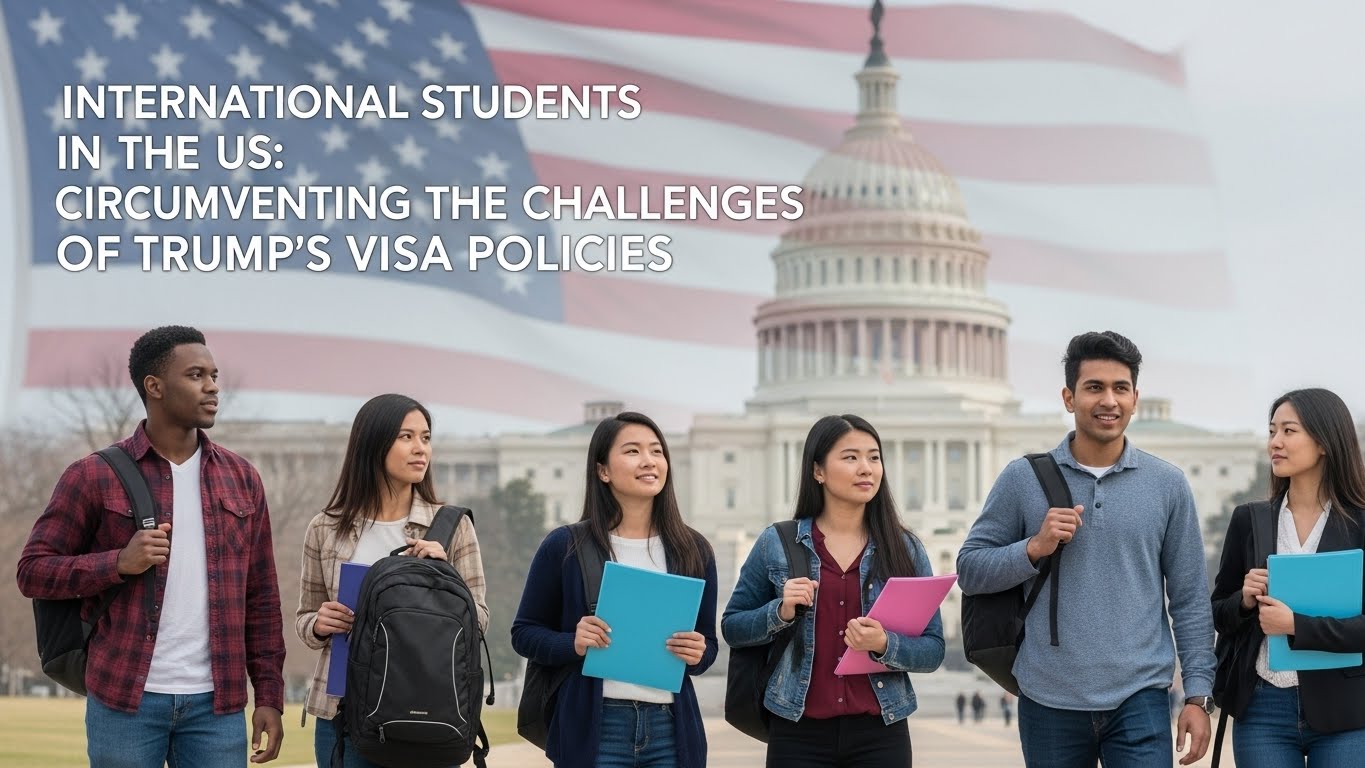
For decades, the United States has been one of the top destinations for international students. For many Nigerian and African students, studying in the United States represents more than just academic advancement; it is often a pathway to global exposure, better career prospects, and long-term stability. However, visa policies introduced during Donald Trump’s presidency has created significant uncertainty for students already in the system and those aspiring to study in the US. Understanding how students are navigating these challenges offers valuable guidance to intending international students.
What has Changed Under President Trump?
The Trump administration adopted a more restrictive immigration posture, and international students were not exempt. Key challenges included:
- Increased visa scrutiny: Student visa interviews became tougher, with more denials under Section 214(b), often citing “lack of ties to home country.”
- Limits on duration of status: Proposals (though not fully implemented) sought to replace “Duration of Status” with fixed visa expiry dates. In Nigeria, current Visa tenures, even for the student F1 Visa is just 3 months.
- Financial Bonds: The recently introduced financial bond for approved visas ranging from $5,000 to $15,000
- OPT uncertainty: Optional Practical Training (OPT), a critical pathway for international graduates to gain US work experience, and a pathway to gaining legal status, has faced repeated threats of cancellation or restriction with a fee of $100,000 to be paid by organizations for each student accepted for the OPT.
- Travel bans and consular delays: Students from certain countries faced outright bans or long delays, disrupting academic plans and loss of admission status.
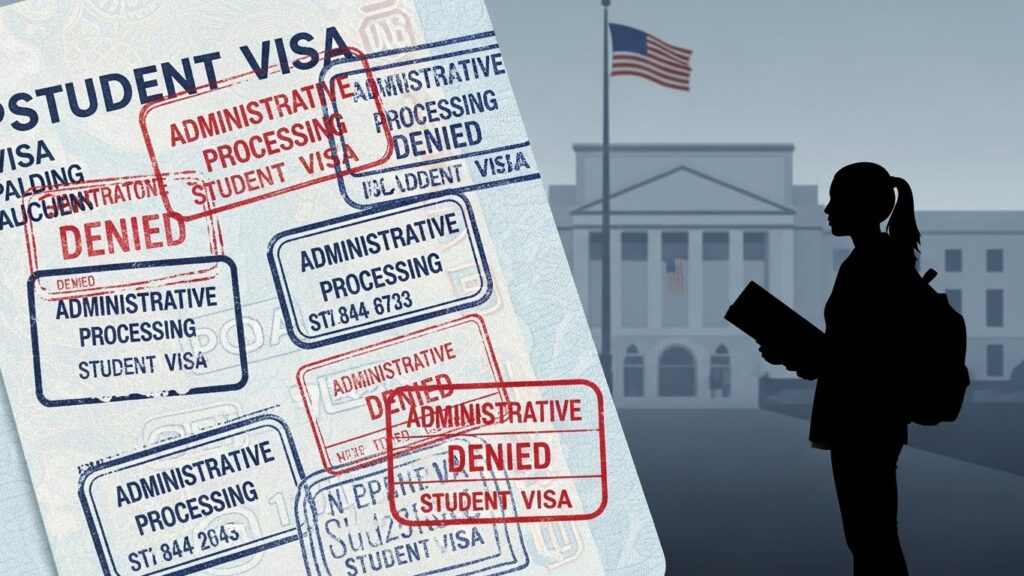
For many students, especially those from Africa, Asia, and the Middle East, the message felt clear: studying in the US had become riskier. For Nigerians, already battling currency instability and rising tuition costs, these barriers made US education feel increasingly uncertain.
How Can Students Circumvent These Challenges
Despite the obstacles, international students have found ways to adapt strategically rather than abandon their dreams.

1. Stronger Academic and Financial Profiles
Students are clearly academically over qualified for their visa approvals. They appear at the interviews with higher test scores, clearer study plans, and robust funding documentation. A clear and well-articulated academic trajectory, linking previous education to future goals has become essential in visa applications.
2. Choosing STEM Programs Strategically
STEM-designated courses have gained popularity because they offer up to 36 months of OPT, compared to 12 months for non-STEM programs. This extended work authorization made the US option more viable even amid further policy uncertainty.

3. Leveraging Cap-Exempt Employers
Graduates increasingly targeted universities, research institutions, and non-profits that are H-1B cap–exempt, avoiding the lottery system entirely.
4. Extended Academic Pursuits
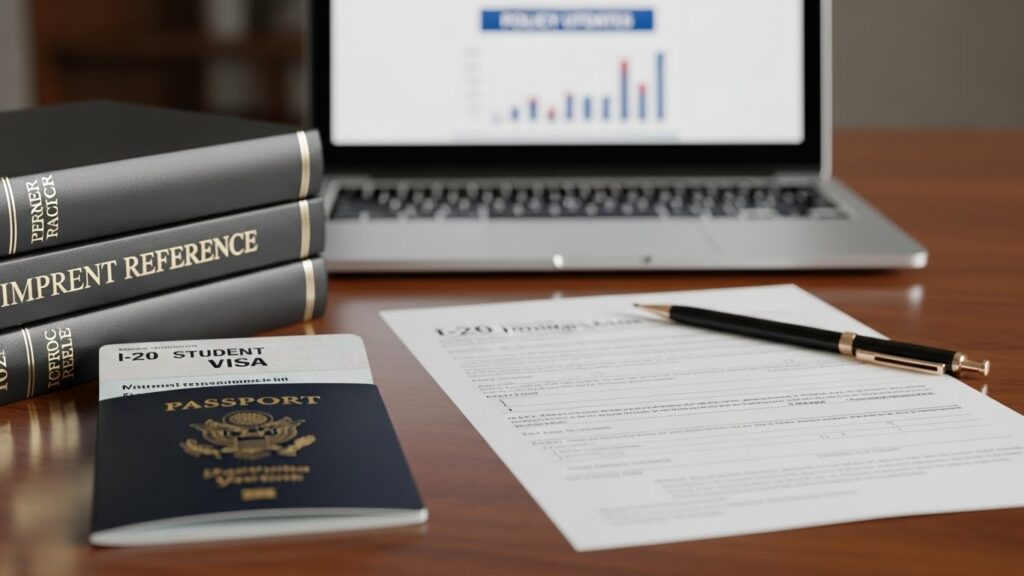
Students are now seeking continuing education opportunities. When the approved Visa expires but there is verification that the individual is still a student (maybe in the same school or getting admission for further academic pursuits), then they are entitled to the I20 document from the academic institution/government that gives them legitimate right to remain in the United States.
5. Using Backup Countries
Many students applied to the US alongside Canada, the UK, or Australia. Admission elsewhere reduced pressure and strengthened visa credibility by demonstrating genuine academic intent rather than migration desperation.
6. Legal Literacy and Compliance
Students have become more informed, tracking policy changes, consulting immigration attorneys, and strictly complying with visa rules. Minor violations that were once overlooked now carry serious consequences that can see revocation of visas.
Lessons for Today’s Prospective Students
Even with a change in administration, immigration remains politically fragile. For students considering the US now or in the future, the Trump years offer clear and enduring lessons:
- Policy can change quickly: Backup plans are essential, always have a Plan B.
- The US visa is not guaranteed, even with admission
- Compliance is survival; one mistake can end a dream
- Education-first narratives outperform migration-driven ones.
- Documentation matters more than ever.
- Staying informed is no longer optional.
Final Thoughts
Trump’s visa policies tested the resilience of international students, but they did not end global interest in US education. Instead, they produced a more strategic, informed, and cautious generation of applicants. For today’s students, success lies not just in securing admission—but in navigating immigration realities with clarity and foresight.