
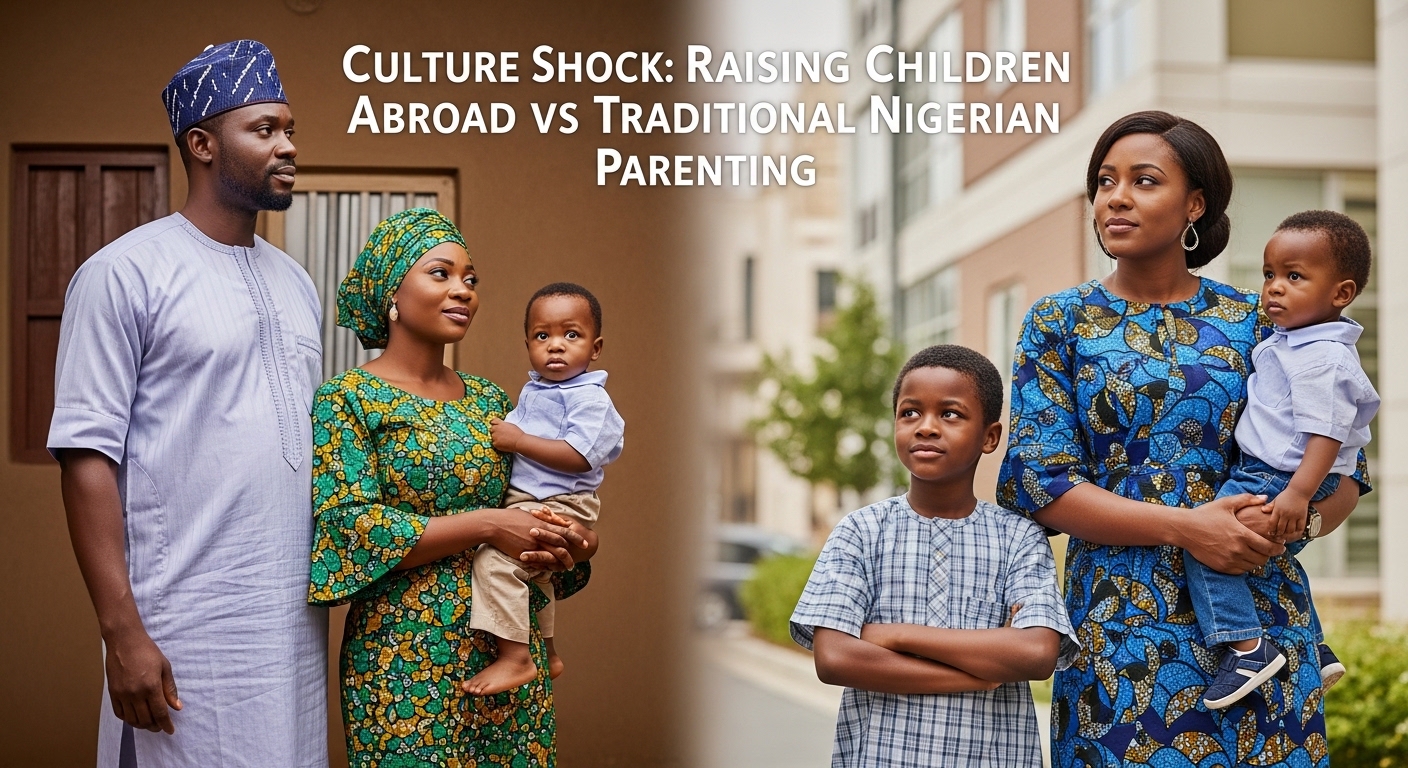
Raising children is challenging anywhere in the world. For Nigerian parents living abroad, it often comes with an added layer of difficulty, culture shock. Parenting methods that are considered normal and effective in Nigeria may be questioned or even restricted in other countries, leaving parents confused and children caught between two worlds.
Traditional Nigerian Parenting
Nigerian parenting is deeply rooted in culture, respect, and community. Children are raised to respect elders, obey authority, and uphold family values. Greetings, manners, and good behavior are taken seriously, as they reflect the family’s upbringing.
Discipline plays a major role. Many parents believe that strict correction helps shape character and prepare children for life. Parenting is also communal; relatives, neighbors, and elders are allowed to guide and correct children without offense.
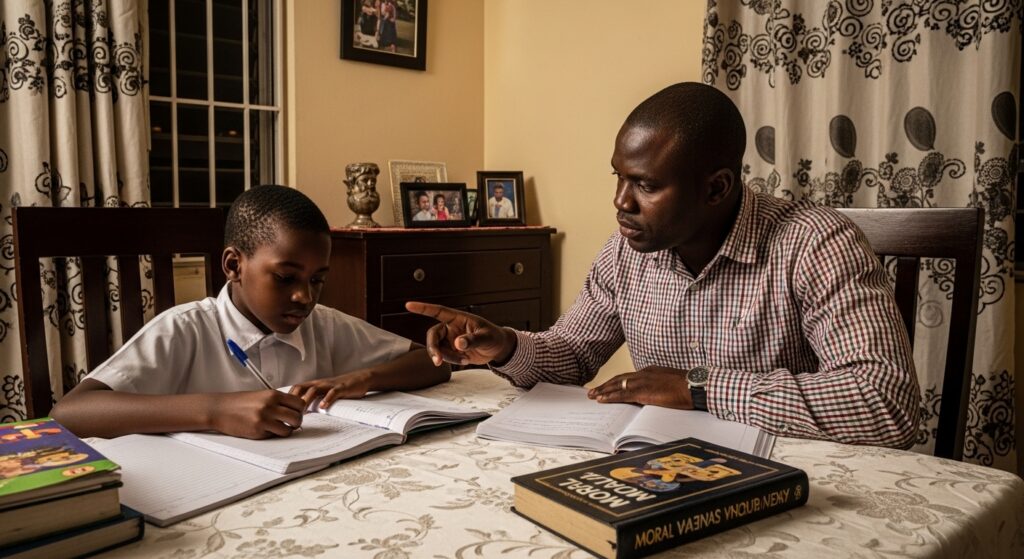
Education and moral values are highly emphasized. Children are expected to succeed academically and behave responsibly, bringing pride to their families.
Parenting Children Abroad
Abroad, parenting follows a different approach. Children are encouraged to express themselves, ask questions, and develop independence from an early age. What Nigerian parents may see as boldness or disrespect is often viewed as confidence.
One of the biggest shocks is discipline. Physical punishment may be illegal, and child protection laws are strictly enforced. Schools and social services closely monitor child welfare, which can make parents feel limited or fearful.
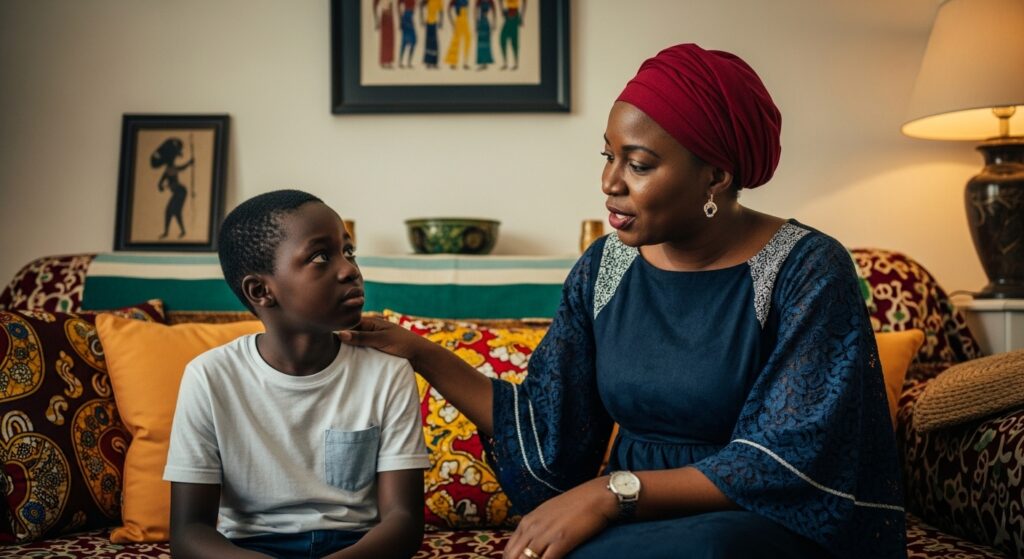
Parenting abroad is also more private. Unlike the communal system in Nigeria, parents are expected to handle discipline on their own, often without support from extended family. Children also adapt faster to the new culture, which may create tension at home.

The Emotional Struggle
Many Nigerian parents abroad struggle with fear of losing their culture, uncertainty about discipline, and the pressure to adapt. Children, on the other hand, may feel torn between their home culture and their environment.
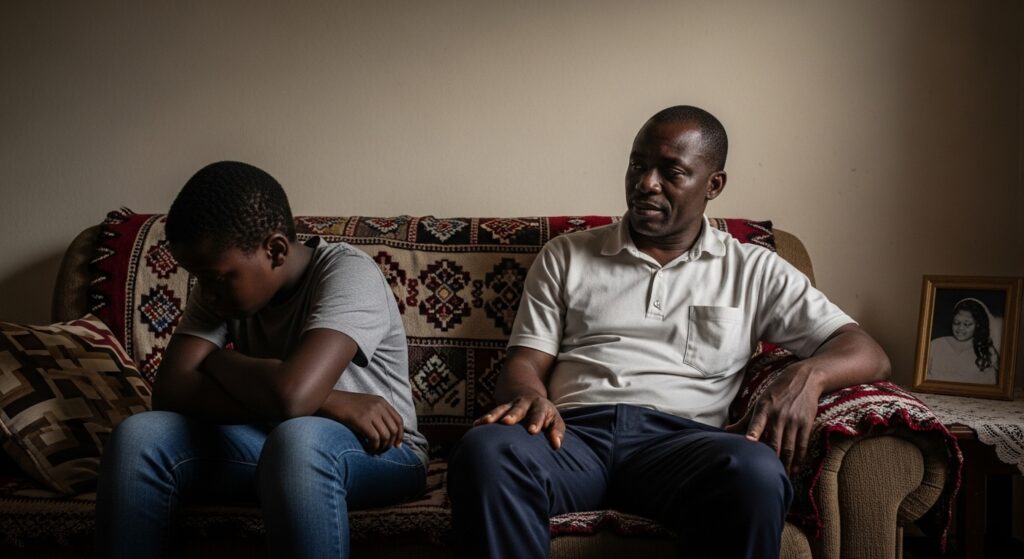
Finding a Balance
Successful parenting abroad requires balance. Parents can intentionally teach Nigerian culture through language, food, stories, and values while also respecting the laws and norms of their new country. Discipline can shift from fear-based methods to communication, guidance, and clear consequences.

Respect, honesty, and responsibility can still be taught without harsh punishment. Understanding local parenting laws helps parents feel more confident and secure.
A Unique Advantage
Children raised abroad with Nigerian roots have a unique advantage. They learn resilience, adaptability, and cultural awareness. When guided properly, they can grow into confident adults who understand where they come from and where they are going.

Culture shock is real, but it doesn’t have to break families. With patience, openness, and balance, Nigerian parents can successfully raise children who respect their roots while thriving in their new world.
Final Thought
Parenting abroad challenges long-held beliefs, but it also offers growth. The goal is not to raise “perfect” children, but well-rounded humans who feel loved, guided, and connected to their identity.
Culture may change, but values can remain.